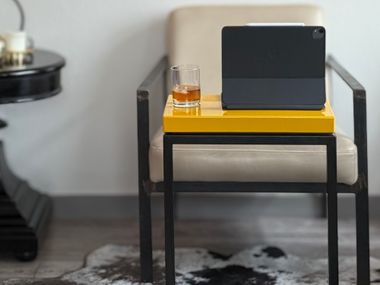
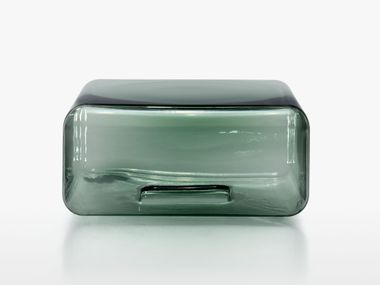
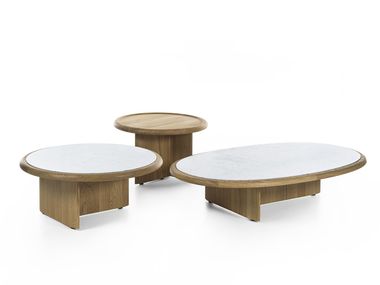
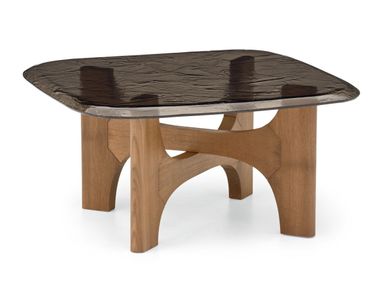
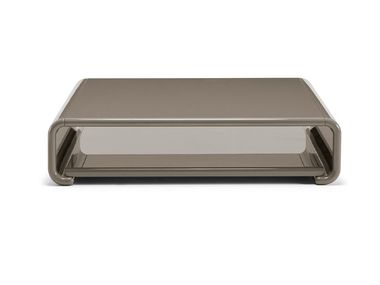
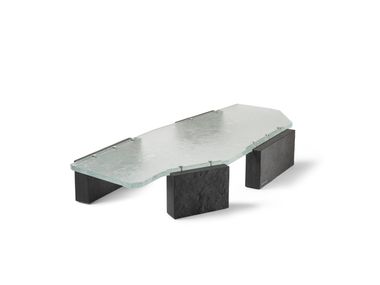
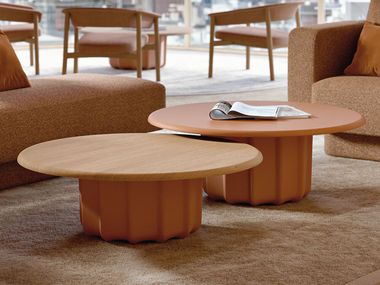
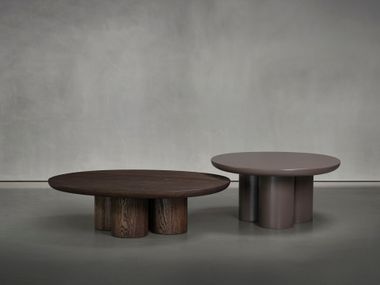
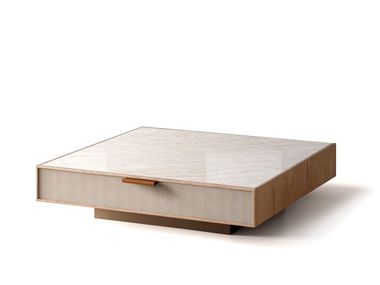
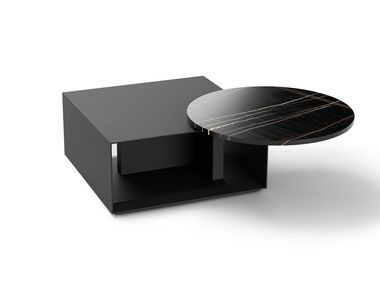
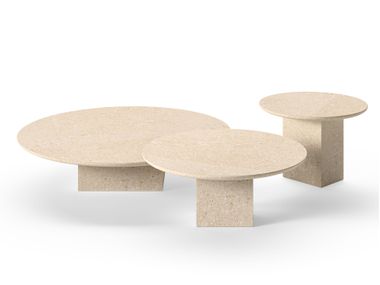
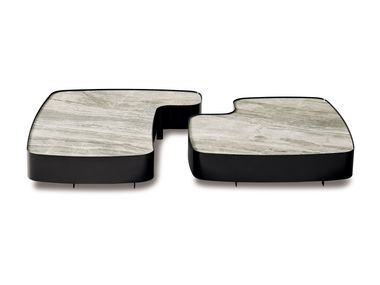
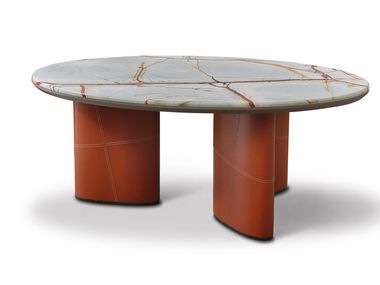
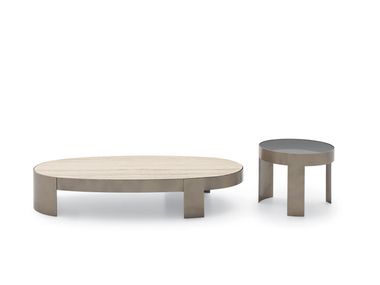
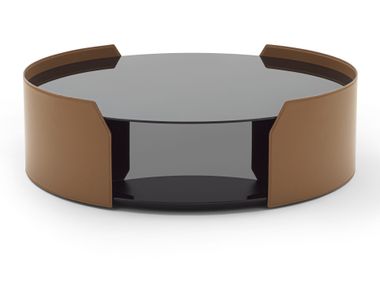
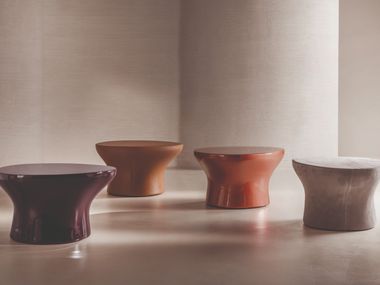
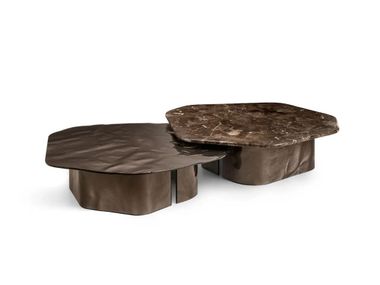
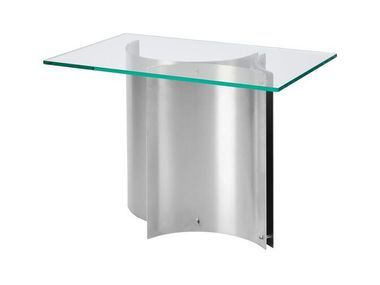
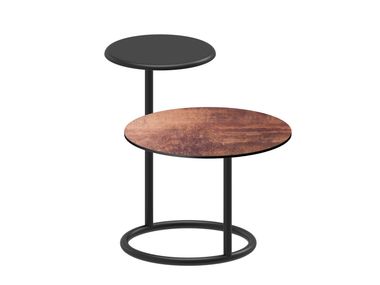
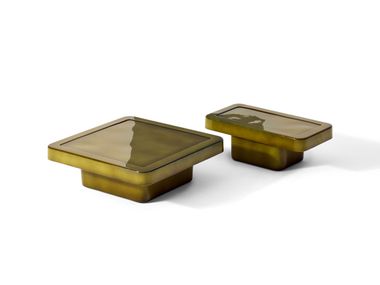
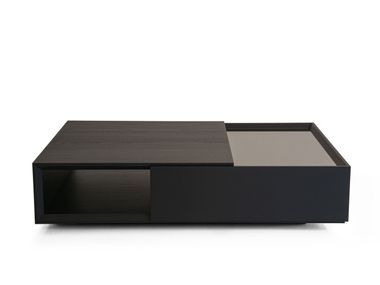
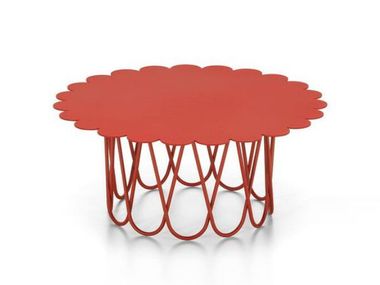
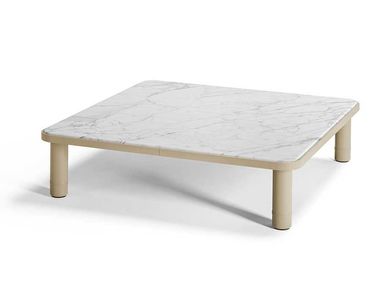
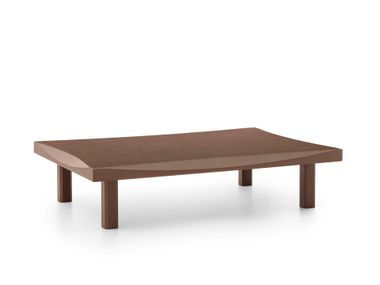
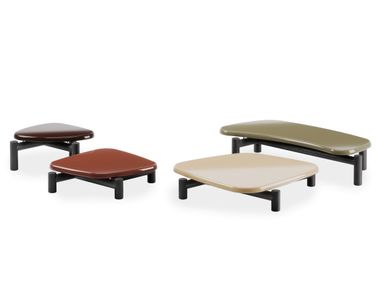
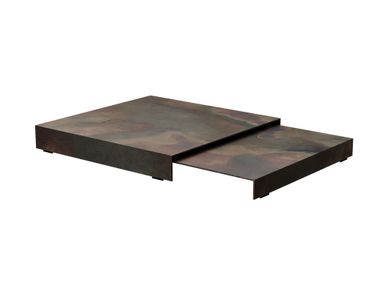
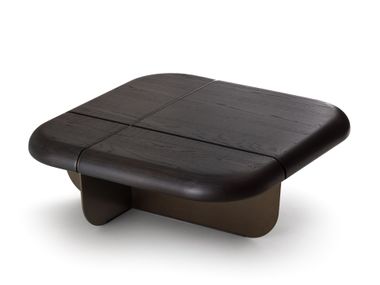
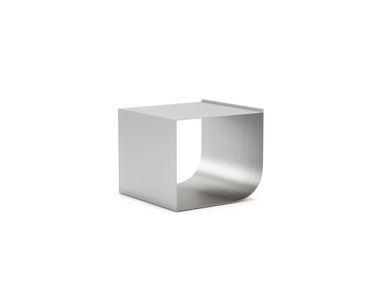
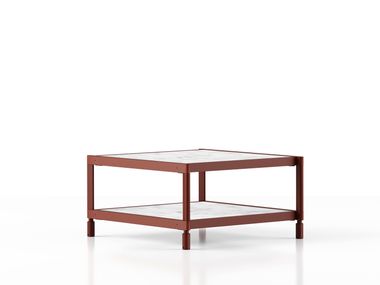
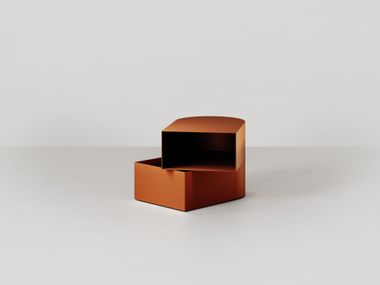
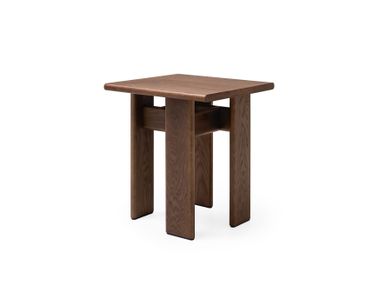
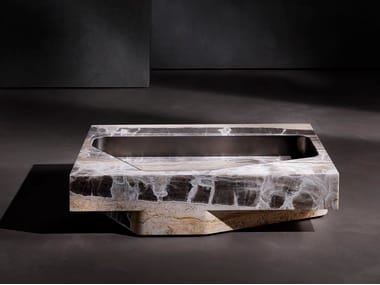
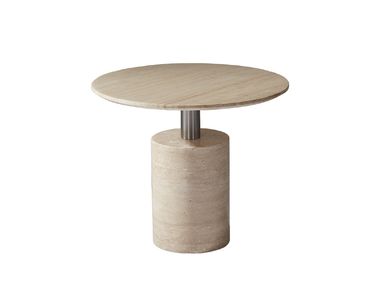
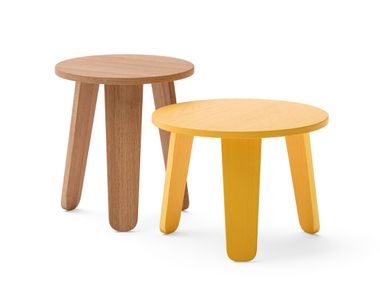
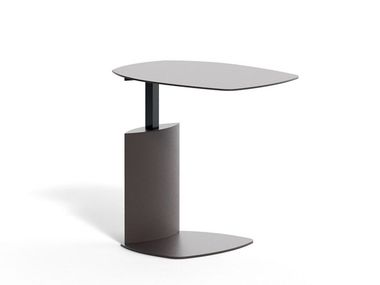
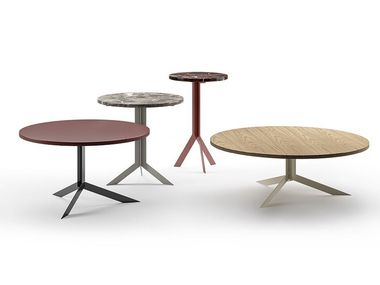
More than just a furnishing accessory, the coffee table enhances any space with both function and style. Whether it's a living room coffee table, a side table, or a multifunctional design, its role is to complete the interior with a balance of practicality and aesthetics. Beyond their practical use, modern coffee tables help define the room’s character, adding a distinctive touch and enhancing the surrounding décor. Coffee tables can be coordinated with seating and accessories to create a harmonious ensemble, or chosen in contrast to become standout pieces within the space. The variety of materials, shapes, sizes, and colors makes it easy to find the perfect model for any setting—from living areas to entryways, from professional offices to outdoor terraces.
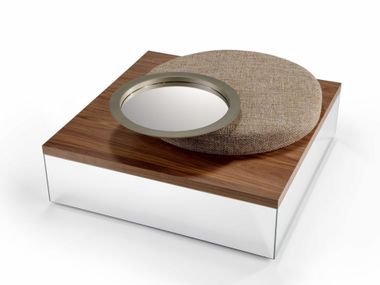
Traditionally, coffee tables serve as support surfaces in living rooms, contract environments, or waiting areas. Their placement is often strategic, either to create points of interaction or to emphasize the use of sofas and armchairs. Among their many possible uses, the living room is undoubtedly where the coffee table plays the most central role in residential settings. Positioned between sofas or beside an armchair, and typically standing between 30 cm and 50 cm tall, the living room coffee table becomes a surface for lamps, vases, magazines, and decorative objects. Depending on the space available, one can choose a single, statement-making coffee table or create more dynamic arrangements by combining models of different heights and shapes. Beyond aesthetics, functionality is key. Coffee tables with trays, for instance, make it easy to serve snacks and aperitifs, while models with integrated shelves or drawers offer practical and discreet storage solutions.
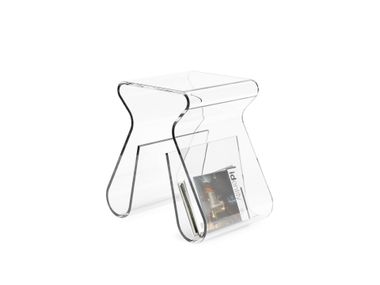
The versatility of coffee tables makes them ideal not only for living rooms but also for other parts of the home and contract spaces. In entryways, for example, a coffee table with storage space becomes a practical catch-all for keys and small objects, while a more decorative model can showcase photographs and accessories. In offices and waiting areas, coffee tables serve both functional and aesthetic purposes. Tables with integrated magazine holders are perfect for organizing journals and catalogs, offering guests a neat and welcoming surface. In contract spaces like hotels, lounges, and retail areas, coffee tables complete the décor with elegance, acting as practical support elements without taking up too much space. Even in outdoor settings, the coffee table is an essential accessory for making the most of terraces, balconies, and gardens. Paired with seating and loveseats, a garden coffee table becomes a key element for social gatherings outdoors, whether for casual drinks or a relaxing evening.
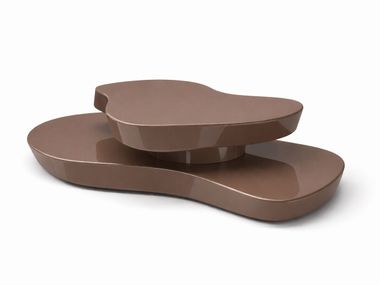
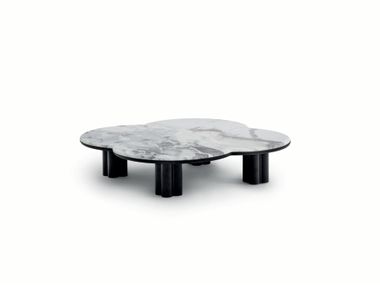
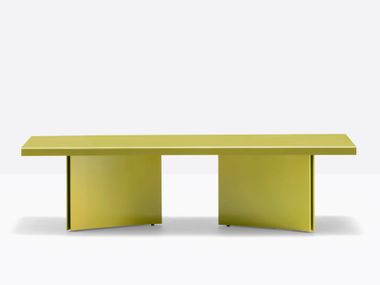
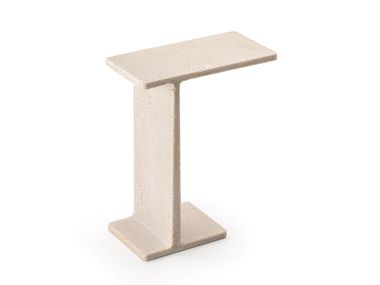
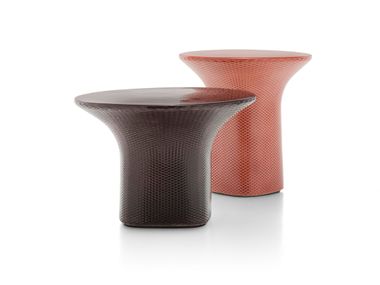
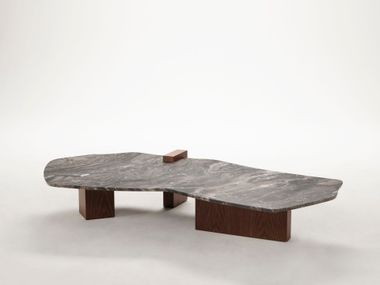
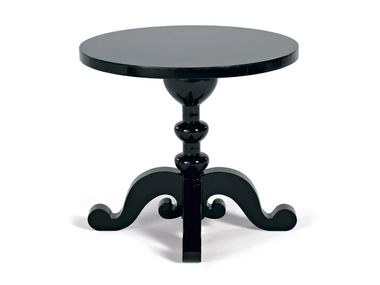
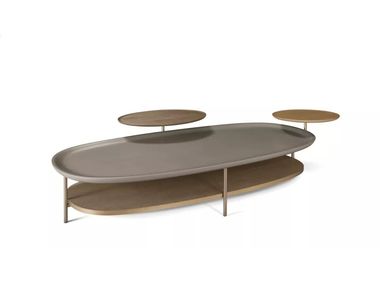
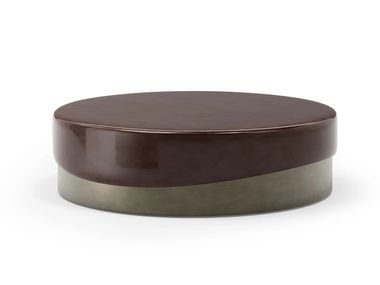
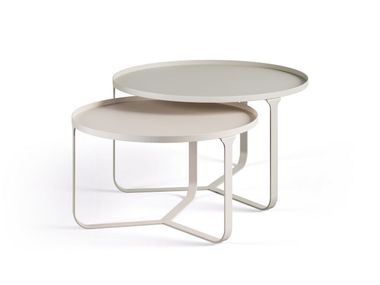
The shape and size of the coffee table influence its functionality. Round coffee tables, compact and without sharp corners, are ideal for optimizing space and promoting fluid layouts—particularly suited for family environments. Rectangular and square coffee tables, with their defined lines, fit seamlessly into décor schemes and offer ample support surfaces. Thanks to the evolution of contemporary design, the market now features coffee tables with irregular, organic shapes and multi-level structures. The height of the coffee table is another key aspect. A low coffee table, aligned with the height of the sofa, enhances the welcoming character of a room and creates a relaxed, informal atmosphere. On the other hand, a high coffee table is well-suited for reading corners, entryways, or transitional areas, where it becomes a functional and decorative focal point.
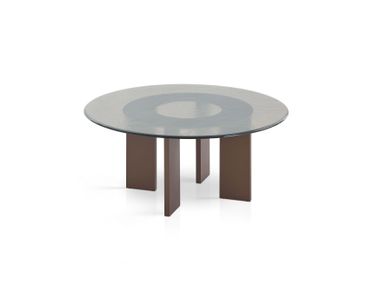
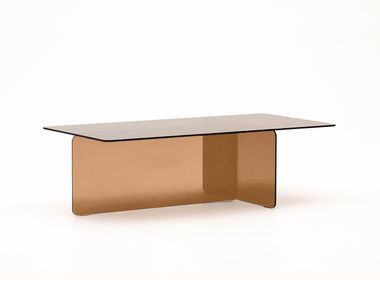
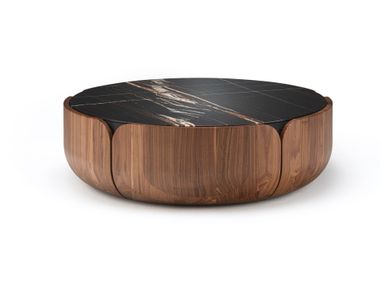
The material of the coffee table affects both spatial perception and the overall look of the interior. A wooden coffee table is a versatile choice that suits both classic and modern interiors. A natural finish enhances the grain and warmth of the wood, while lacquered or dark-stained versions have a more refined, contemporary appearance. Metal allows for the creation of light, geometric structures, whether minimal or elaborate. The finish of a metal coffee table can range from glossy chrome to matte and textured paint, with a color palette that spans from neutral tones to bold hues. Glass, with its transparency, brings visual lightness and maximizes brightness in a room. Ideal for modern interiors, a glass coffee table is often paired with metal or wooden bases to create interesting material contrasts. Finally, composite and innovative materials such as porcelain stoneware and resins offer durability and versatility, with surfaces that mimic marble, concrete, or novel textures, integrating seamlessly into designer settings.
In the design world, some coffee tables have achieved iconic status, becoming symbols of entire eras and stylistic movements. Among the most renowned of the 20th century is the Noguchi Coffee Table, designed in 1944 by Isamu Noguchi for Vitra. Featuring a glass top resting on two interlocking curved wooden pieces, this table is the perfect synthesis of sculpture and function—an expression of the designer’s organic style. Another timeless classic is the B 97 Coffee Table by Thonet, dating back to the 1930s. With its bent steel tube frame, allowing it to slide partially under a sofa or armchair, this model is a perfect example of rationalism and functional lightness, with a versatility that still feels contemporary. In the 1950s, Nordic design made its mark with the Trienna Table, designed by Ilmari Tapiovaara for Artek. Its hexagonal shape and veneered wood structure reflect a focus on essential geometry and natural materials—core principles of Scandinavian design. From the same era comes the FontanaArte Coffee Table on Wheels, designed in 1980 by Gae Aulenti. This square model features a sturdy 15 mm glass top supported by four large industrial wheels—a detail that transforms a seemingly simple piece into a distinctive design object. Another great example of Italian design is the Cicognino Table by Franco Albini, created in 1953 and now produced by Cassina. This wooden coffee table, with its essential lines, is characterized by a three-legged structure and a vertical element that forms a kind of handle—hence its evocative name.
Among the boldest examples of radical 1970s design is the Quaderna Table by Superstudio for Zanotta, a true manifesto of anti-design. With its geometric structure entirely covered in a black-and-white grid, it breaks conventional aesthetic rules, straddling the line between architecture and furniture. In the same decade, Zanotta also introduced the Chichibio, a side table and phone holder designed by Ettore Sottsass. Its playful, ironic design—with a minimalist frame and small surface—reflects the designer’s philosophy of experimentation and color. More recent models include the Tetris Coffee Table by De Padova, an example of modular design applied to furniture. Its MDF tops, available in various heights and sizes, allow for personalized compositions tailored to different needs and living contexts. The Fat Fat Table by Patricia Urquiola for B&B Italia, launched in 2014, reimagines the traditional coffee table with a minimal design and removable tray that enhances its versatility. Another balance between aesthetics and experimentation is the Bell Table by Sebastian Herkner for ClassiCon, introduced in 2012. The combination of a blown glass base and a metal top creates a sophisticated material contrast that highlights artisanal craftsmanship. Among the most innovative models in recent years is the Element Coffee Table by Tokujin Yoshioka for Desalto, known for its sculptural structure and concept of dynamic balance. The angled base and high-tech tabletop challenge our perception of gravity, turning the coffee table into a functional artwork. Lastly, the Shimmer Table by Patricia Urquiola for Glas Italia, with its iridescent multicolored glass, represents a new frontier in the use of transparent materials. Thanks to special light-refracting treatments, the surface changes hue depending on angle and lighting, bringing a new level of expressiveness to contemporary interiors.