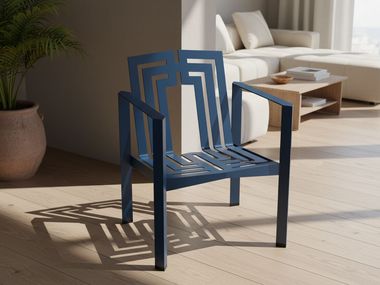
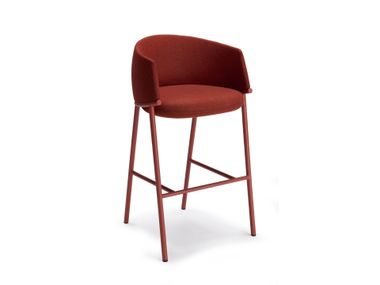
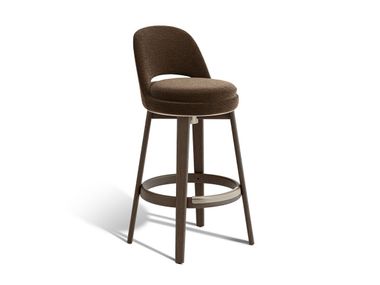
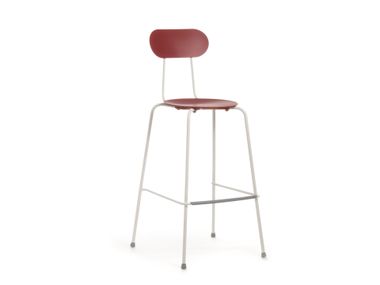
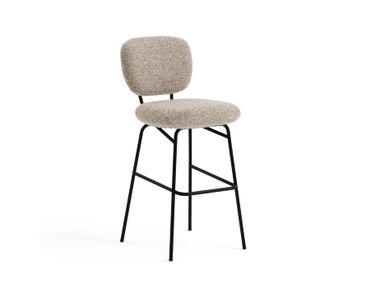
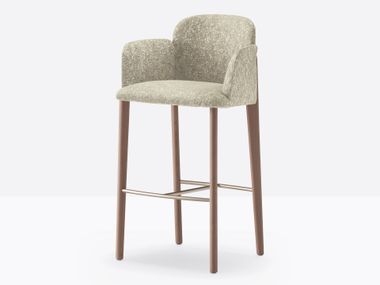
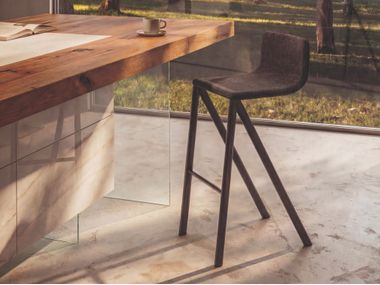
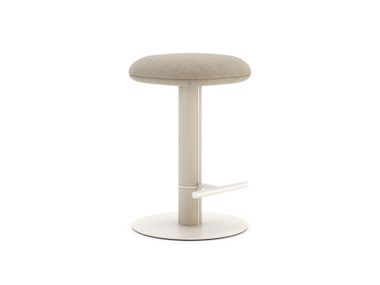
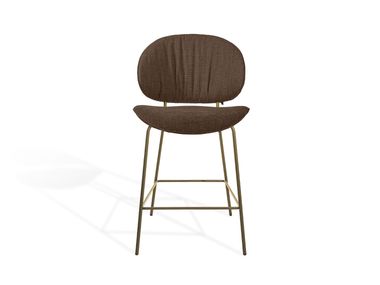
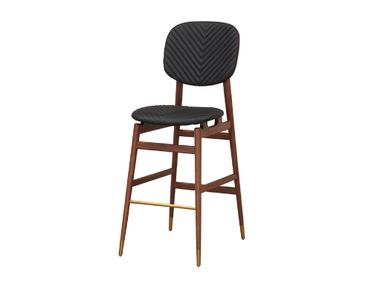
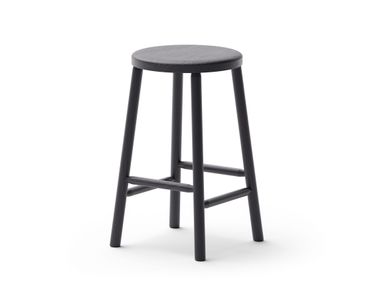
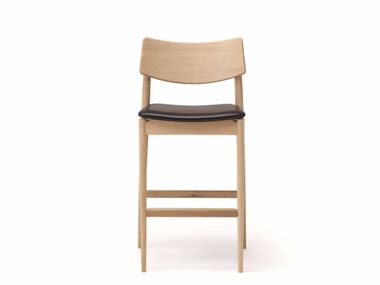
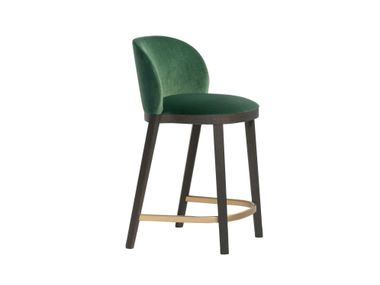
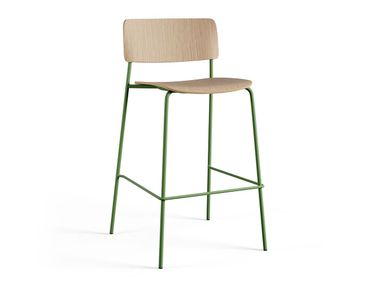
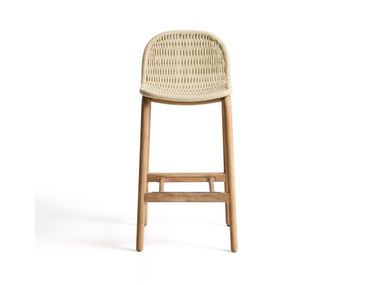
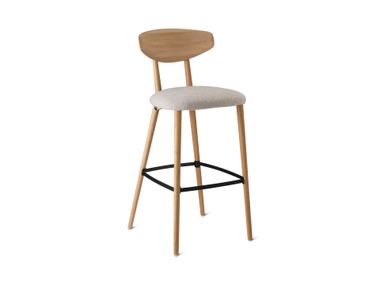
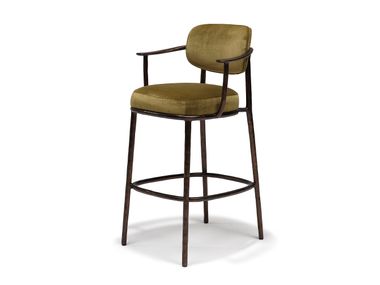
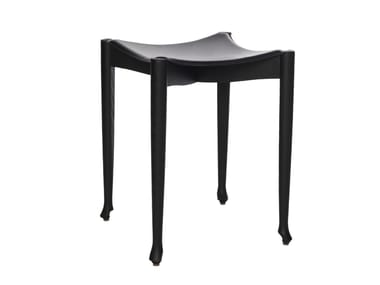
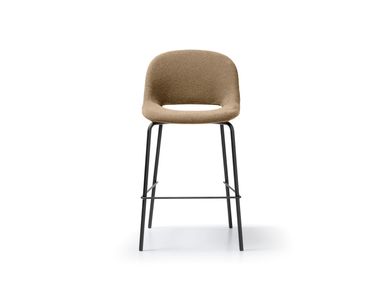
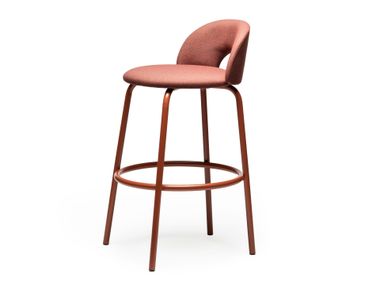
Stools represent one of the most versatile furniture solutions, combining functionality and aesthetics in a wide range of contexts. Whether used in kitchens, bars, restaurants or contract environments, modern stools have become essential in the organization of spaces thanks to their ability to adapt to different uses and architectural configurations. Once considered only auxiliary seating, stools are now protagonists of interior design, offered in an extensive variety of materials, heights and styles.
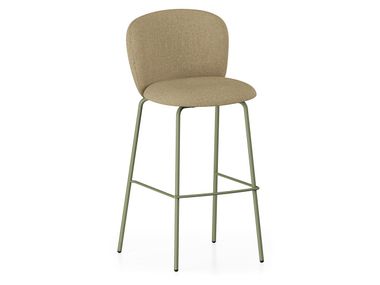
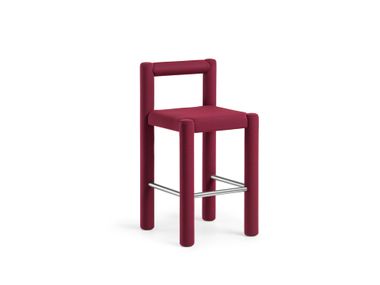
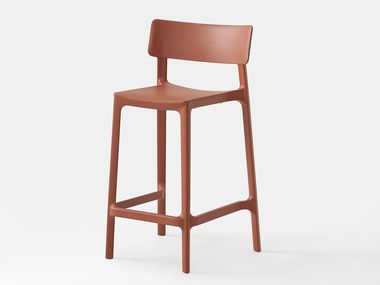
Depending on their destination, stools differ in structure and function. In residential interiors, kitchen stools are widely used in layouts with islands or peninsulas, replacing traditional chairs to create an informal and convivial atmosphere. In these cases, ergonomic seats with integrated footrests are preferred, ensuring maximum comfort even during prolonged use. In the contract sector, bar stools are key elements in the design of bars, restaurants, hotels and coworking spaces. Here, resistance and ease of cleaning become decisive factors in addition to aesthetics, since bar stools must be made of robust and durable materials such as treated wood, metal or technopolymers. Another fundamental distinction concerns seat height. Wooden stools, metal stools or plastic stools are generally available in three standard sizes: low stools (45–55 cm), suitable for traditional tables or as decorative accessories; counter stools (65–75 cm), ideal for kitchen islands and snack tops; and high stools (75–85 cm), perfect for bars and reception areas.
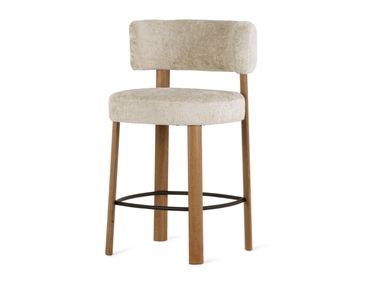
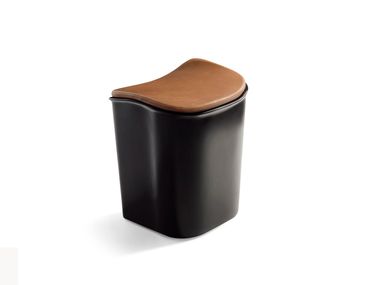
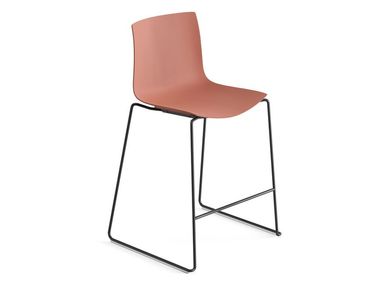
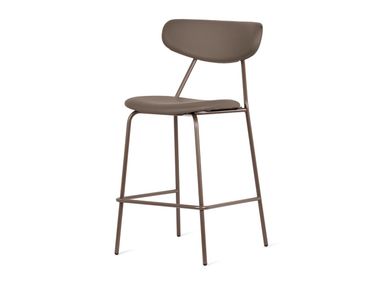
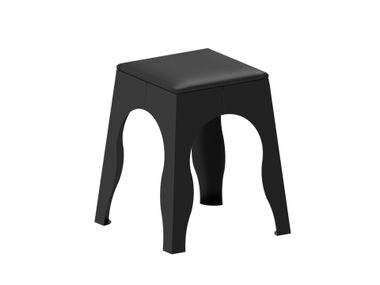
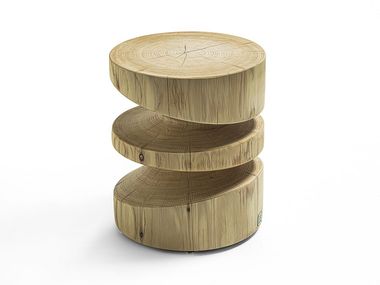
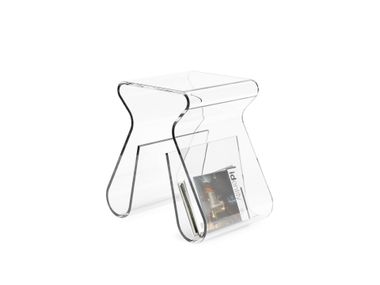
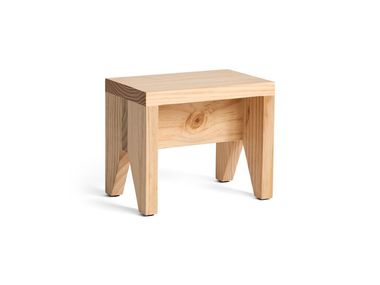
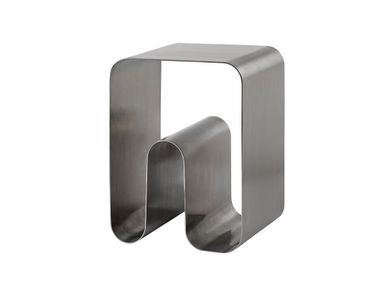
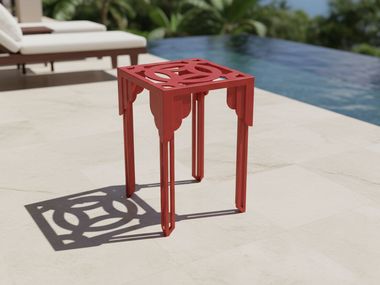
Modern stools are no longer simple accessories but key elements in the design of contemporary interiors. Wooden stools bring warmth and tradition and are often chosen in Scandinavian, rustic or classic interiors. Popular woods such as oak, walnut and ash are finished in natural or lacquered versions to increase resistance, while advanced techniques such as steam bending make it possible to achieve ergonomic shapes with refined silhouettes. Metal stools, on the other hand, highlight an industrial and contemporary style. Steel, aluminum or iron structures are often powder-coated to resist wear and outdoor conditions, making them perfect also for terraces and gardens. Plastic stools made of polypropylene, polycarbonate or fiberglass offer lightweight, stackable and innovative solutions. Thanks to injection molding, it is possible to create one-piece structures with organic and futuristic forms, ideal for dynamic, modern environments. Upholstered stools complete the picture, with soft seats covered in technical fabrics, leather or eco-leather. Velvet adds a sophisticated and welcoming look, while polyurethane or microfiber ensure durability and easy maintenance.
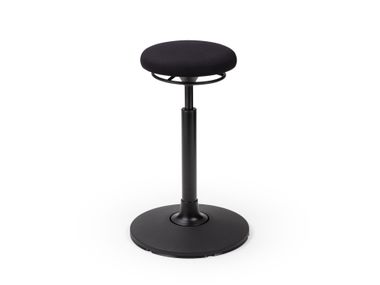
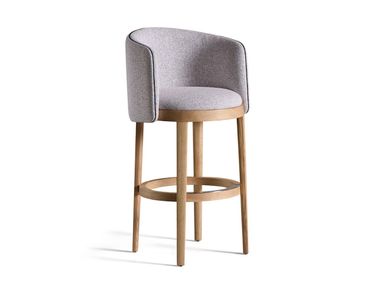
Even though they are compact, stools must guarantee comfort. Ergonomics play a crucial role: stools with backrests, less common but very comfortable, provide lumbar support and help maintain correct posture, while stools with footrests ensure stability and relaxation, especially in high stools. Adjustable stools equipped with gas lift pistons are particularly useful in professional spaces and modern kitchens with counters at different heights. Besides the classic four-legged models, swivel stools with central column or disc base add dynamism and stability, while maintaining a clean and contemporary aesthetic.
Throughout the history of design, stools have often been a testing ground for experimentation. Many stools, originally designed as simple functional seats, have become true icons, admired for their aesthetics and their ability to adapt to different contexts. Among the most famous is the Stool 60 by Alvar Aalto (1933), a symbol of Scandinavian minimalism, made of birch wood with three bent legs and known for its simplicity and stackability. The Tolix Stool, designed by Xavier Pauchard in the 1930s, has become an emblem of industrial style, appreciated for its durability and versatility, still today widely used in bistros, cafés and urban interiors. In the 1960s, Charles and Ray Eames designed for Vitra the sculptural Stools collection in solid turned wood, objects that stand halfway between sculpture and furniture, elegant and organic at the same time. Another milestone is the Butterfly Stool by Sori Yanagi (1954), a masterpiece that combines Japanese sensibility with the molded plywood techniques introduced by the Eames, with its wing-like curved silhouette. The Tabouret Haut by Jean Prouvé reinterprets the high stool in an industrial key, combining steel and solid wood in a piece that blends solidity with essential elegance.
Italian design has also left its mark with the creations of Achille and Pier Giacomo Castiglioni for Zanotta. Their Mezzadro (1957) reflects the concept of ready-made applied to furniture: a pressed sheet metal seat inspired by tractor parts, combined with a chrome steel frame and a natural ash base, producing a bold contrast of materials and concepts. Their Sella (1957) is even more unconventional: a bicycle saddle mounted on a steel stem with a hemispherical cast-iron base that allows slight rocking movements, turning an everyday object into an ironic and experimental piece of furniture.
Alongside these icons, contemporary collections explore new directions. Natural materials such as untreated wood or woven fibers are making a comeback, often combined with a focus on sustainable production. Circular design principles, with recyclable materials and low-impact processes, are now central in many collections. Ergonomics and flexibility are equally important: adjustable stools, lightweight and versatile, are increasingly in demand for hybrid spaces requiring dynamic solutions. Personalization is another key factor, with many brands offering stools in different configurations, finishes and colors, allowing users to adapt each model to their specific needs.
Finally, stools are evolving towards increasingly sculptural and sophisticated aesthetics. Fluid lines and refined details transform them into design statements capable of enriching any environment. Among the most innovative examples, the Bombo Stool by Stefano Giovannoni for Magis (1997) revolutionized the concept of adjustable stool with its molded ABS seat and chrome base, quickly becoming a design icon. The Miura Stool by Konstantin Grcic for Plank, with its angular silhouette in injection-molded plastic, combines stackability, lightness and a futuristic energy that embodies the spirit of contemporary design.