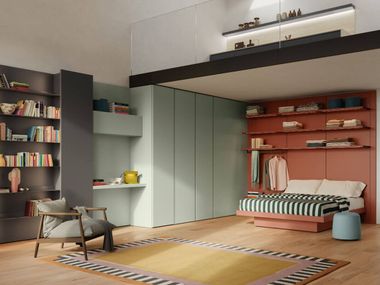
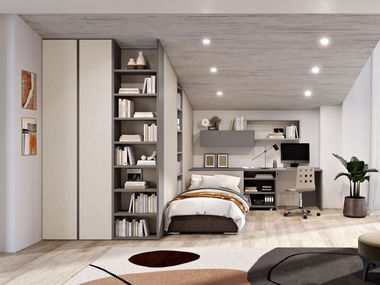
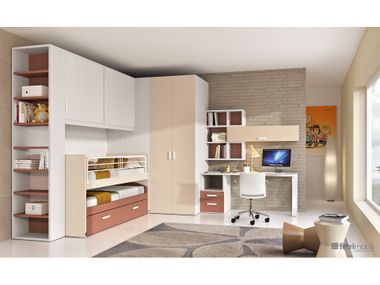
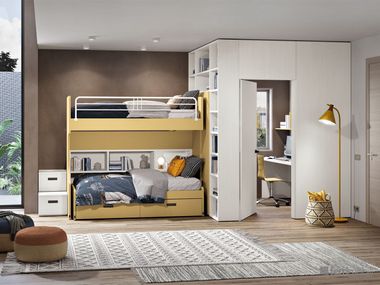
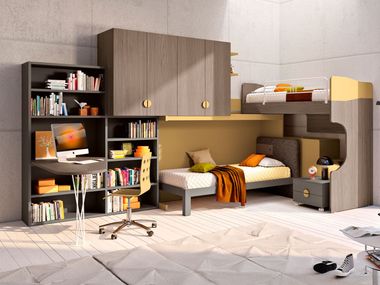
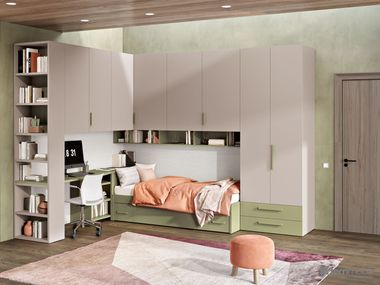
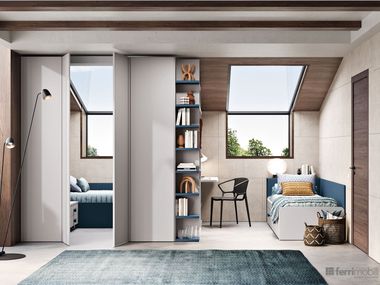
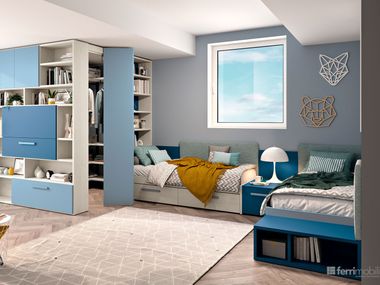
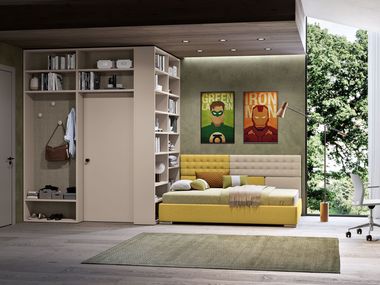
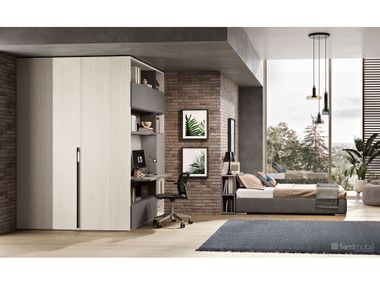
Kids' room furniture includes a wide range of solutions designed to meet the evolving needs of children and teens. Modular systems, customizable furniture, and versatile accessories make it possible to organize a multifunctional space that must be safe, comfortable, and stimulating for a child’s physical and mental development. Many specialized manufacturers offer complete collections for children’s sleeping areas, with growing attention to certified materials, non-toxic finishes, and eco-friendly components. Beyond aesthetics, furniture for kids’ rooms must also meet standards of functionality, ergonomics, and long-term durability, supporting a child’s growth with configurations that can be easily updated or transformed. Furniture for kids' and teens' rooms is designed to stand the test of time, adapting to the different stages of growth. For this reason, it is essential that the materials used are of high quality and comply with current safety and sustainability regulations. Certified wood, low-formaldehyde emission panels, non-toxic paints, and accessories without sharp edges are now indispensable requirements in the production of children's furniture.
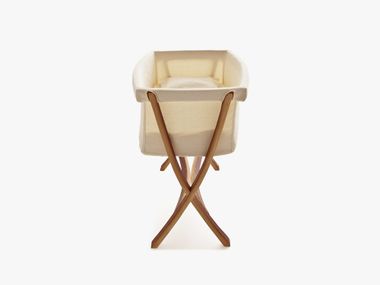
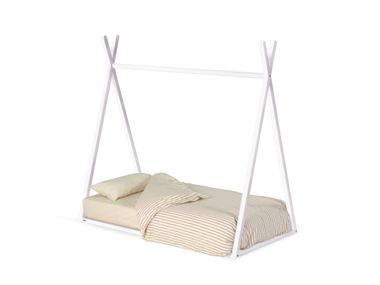
Designing a kids' room that can transform over time means adopting a flexible and sustainable planning approach. In the first months of life, the space should be organized in a simple and safe way, prioritizing essential pieces like a crib, changing table, and easily accessible storage units. Choosing furniture made from natural materials, with rounded edges and water-based paints compliant with European safety standards, is essential. After the newborn stage, the room can be enriched with toddler beds with removable rails, storage systems, child-sized bookcases, and the first elements for play and reading. As children enter primary school, the space adapts with height-adjustable desks, ergonomic chairs, and focused lighting that supports concentration and study. Walls can be equipped with shelves, chalkboards, or magnetic panels to encourage autonomy and creativity.
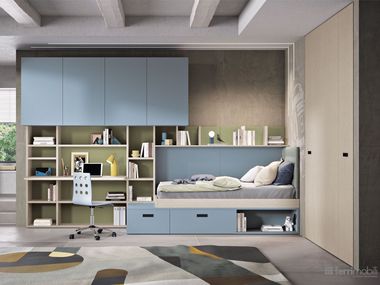
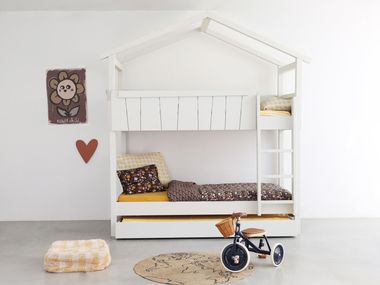
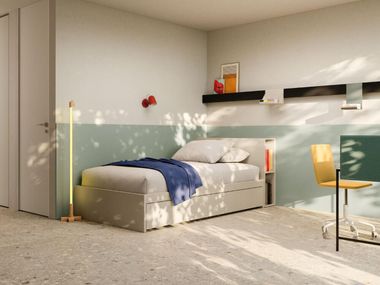
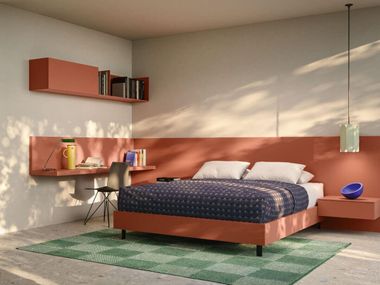
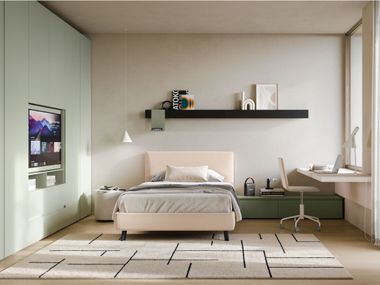
Many contemporary furniture systems allow key elements—such as beds, desks, storage units, and bookcases—to be reconfigured in response to a child’s developmental changes. A toddler bed can turn into a sofa, a desk can adjust in height, and a wardrobe can be expanded with additional modules. This modularity extends the furniture’s lifespan, reducing the need for frequent replacements and optimizing initial investments. The use of neutral finishes and essential shapes makes it easier to transition between different life stages, allowing for decorative updates without altering the room’s overall structure. Transformable solutions are particularly well-suited to modern living contexts, where space is often limited and multifunctionality is a must. Conceiving the kids' room as an open system that grows with its user offers a conscious and effective design response to real-life living needs. In adolescence, the room’s layout shifts again: play areas make way for more structured study zones and elements that support social interaction, such as armchairs, poufs, or small lounge areas. Even at this stage, the quality of materials and stylistic coherence help define a space that is both personal and functional.
Decorative and functional elements play a key role in defining the style and identity of a kids' room. Natural textiles such as organic cotton or linen enhance the room’s microclimatic comfort and contribute to a sense of well-being. Rugs, curtains, and cushions serve both an aesthetic and sound-absorbing function, improving the room’s acoustic quality. Lighting should also be carefully considered: in addition to general lighting, it’s advisable to include dedicated light sources for reading, desk lamps for study areas, and low-intensity night lights. Vertical surfaces can be customized with washable wallpaper, eco-friendly paints, or themed wall decals featuring nature, animals, or fantasy imagery. A well-organized creative space—with areas equipped for drawing and hands-on activities—supports both motor and cognitive development, especially in early childhood. Finally, increasing attention to sustainability has led many companies in the sector to adopt eco-friendly solutions: FSC or PEFC-certified wood panels, formaldehyde-free adhesives, plant-based paints, and recyclable components are now standard features in next-generation kids' rooms, designed to safeguard children’s health and reduce environmental impact.