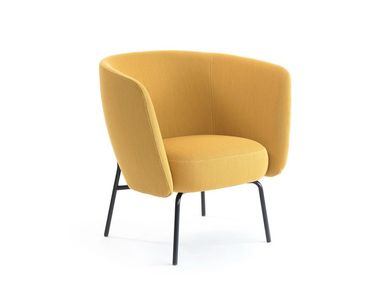
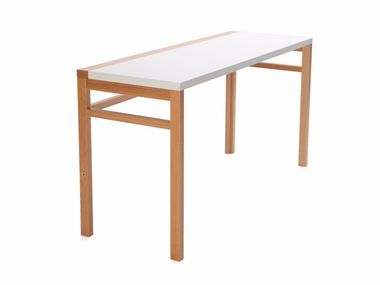
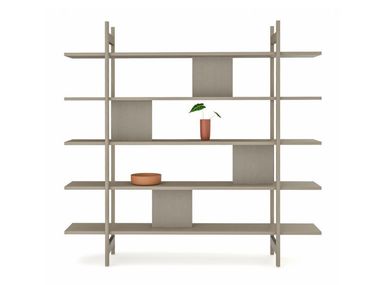
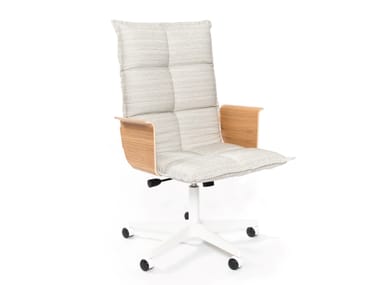
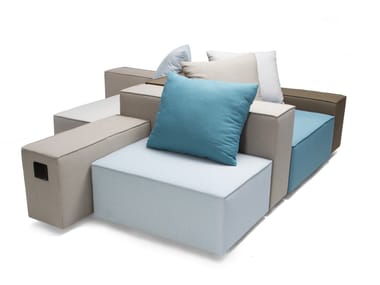
Inno is a Finnish company specializing in the design and production of furniture for public spaces, contract environments, and work settings. Its collection includes seating, tables, sofas, stools, and accessories created to meet the needs of architects and interior designers through a functional, original, and long-lasting design approach. Since its founding, Inno has been developing human-centered solutions that adapt to different uses: social areas, private environments, focus zones, or contexts where comfort must align with operational efficiency. Founded in 1975 by Harri Korhonen – an interior architect and a key figure in contemporary Finnish design – Inno began as an importer of international furniture before establishing itself with its own original collection. Today, the company is run by the second generation of the family, with Niklas Korhonen at the helm. The brand has emerged as a leading voice in Scandinavian design, with a production philosophy that combines innovation, quality, and functionality. Over time, Inno has collaborated with numerous internationally renowned designers, also playing a significant role in the early careers of creatives such as Pentti Hakala and Jouko Järvisalo, whose professional paths were closely tied to the brand’s first collections.
Inno furniture: functional design for architects and planners
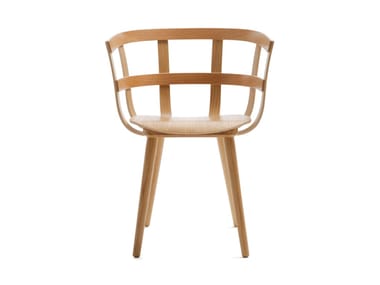
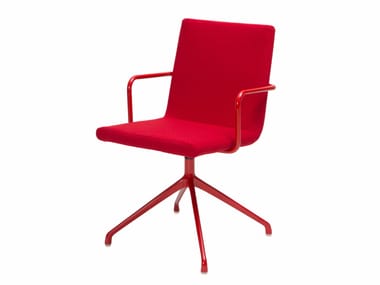
Inno’s collection is aimed at architecture firms, interior designers, and planners working in hospitality, office, retail, and educational sectors, offering solutions that enhance the identity of interior spaces. The broad product range – including task seating, lounge pieces, modern meeting tables, modular elements, and accessories – allows for a high degree of compositional flexibility, always with a strong focus on both perceptual and functional quality. Every piece is the outcome of careful research into materials, proportions, and details, with the aim of creating environments that not only meet practical needs but also convey a coherent and understated design language. Several products have received major international awards: among them, the AURA CHAIR L lounge chair (Red Dot Design Award – Best of the Best 2013) and the AURA WOOD chair (Good Design 2015), both designed by Mikko Laakkonen; the KOLA lounge chair (Red Dot Design Award 2012, Fennia Prize 2012, Good Design Award 2010); the JULIE chair by Julie Tolvanen (Good Design 2015); and the LAB collection of seating and modern tables, designed by Harri Korhonen, awarded the Good Design Award 2015. These accolades reflect the company's commitment to developing solutions with strong design value, recognized globally. Inno furniture is featured in numerous projects worldwide, including offices, corporate headquarters, hotels, museums, airports, ministries, and convention centers. Thanks to a production approach that values functional and original design, the brand has established itself as a key partner for architects, interior designers, and planners operating in the contract and public sectors. Each Inno product is the result of a consistent design vision that merges aesthetics, ergonomics, and sustainability, respecting the identity and function of the space.
Inno for workspaces: aesthetic quality, design culture, sustainability
In recent years, Inno has developed the “cozy office” concept – a line of furniture that combines domestic comfort with professional functionality, responding to the evolving nature of contemporary work environments. Designed for hybrid spaces, the collection includes products that transition naturally between public and private contexts, appealing to a clientele that values aesthetic quality and design culture. This approach anticipates emerging needs for flexibility, well-being, and hospitality in contract spaces, where user experience plays an increasingly central role. Sustainability is a core value of Inno’s identity. The company uses recyclable or certified materials, adopts low-impact production processes, and actively participates in reforestation projects to offset the use of raw materials. Its production procedures comply with ISO 14001, initially certified in 2010 and now aligned with the ISO 14001:2015 standard, confirming a continued commitment to reducing emissions and improving environmental practices. Product longevity is also a key element of the brand’s sustainable strategy, aligned with a philosophy of responsible design.