Shelves are essential elements in the organization and design of interiors, offering a highly versatile solution for managing vertical space. Thanks to the variety of available materials, configurations, and mounting systems, modern shelving proves to be a strategic choice for architects and interior designers alike, serving both practical and decorative purposes. To fully harness their potential, it's important to understand the different types of shelves and how to arrange them on walls to maximize functionality and aesthetics.
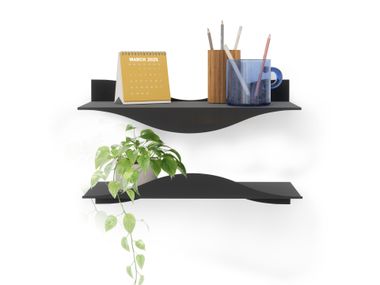
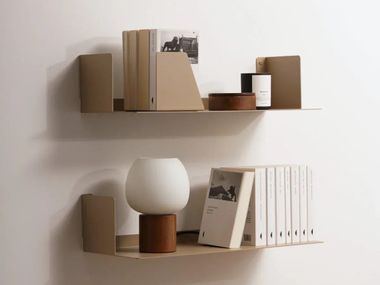
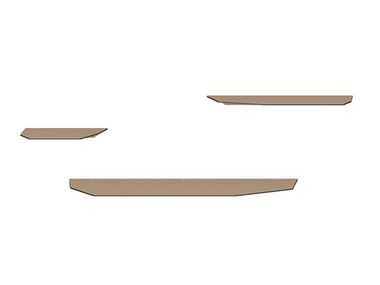
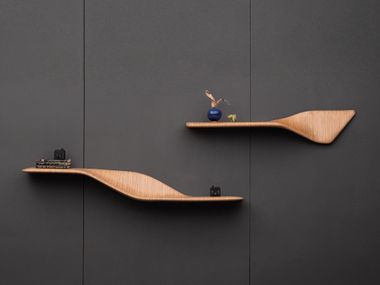
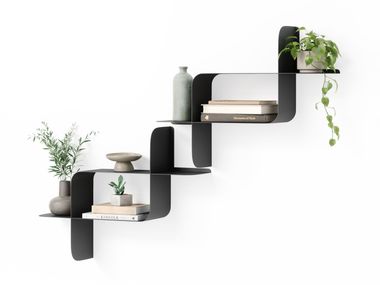
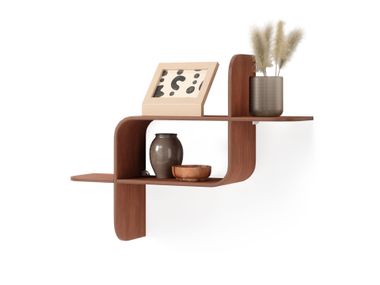
Arranging shelves on a wall requires a balance between function and design. An effective technique is to group shelves into defined sections: horizontal shelves arranged across multiple levels create a linear and tidy solution, ideal for displaying books or collectibles. For a more dynamic result, asymmetrical or diagonal layouts can be used, alternating shelves of different lengths and depths. When designing a wall with decorative shelving, it's crucial to consider depth. Deeper shelves are suitable for bulky objects, while narrow ones are better for small accessories or decorative elements such as artwork and photographs. Combining different depths helps create a layered composition, adding visual depth and three-dimensionality.
To make a shelving wall a decorative feature, color and lighting can play a key role. The shelves themselves, as well as the objects displayed on them, may be finished in contrasting tones or shades that echo other furnishings to create a cohesive effect. Adding light sources such as under-shelf LED spotlights or edge-mounted LED strips enhances the visual impact of the arrangement, creating a warm and sophisticated atmosphere. Finally, the organization of objects is crucial for a balanced result. Alternating between filled and empty spaces avoids visual clutter and enhances harmony. Using containers or boxes to store smaller items is a further strategy to maintain order and give the wall a clean, professional look.
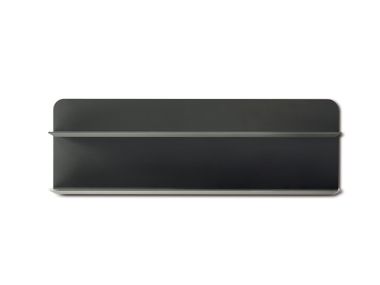
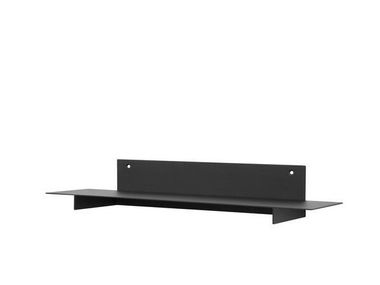
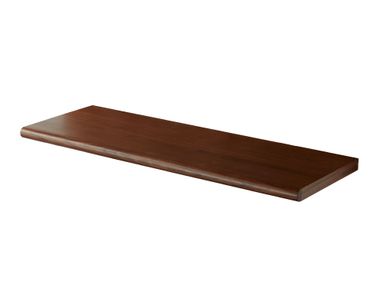
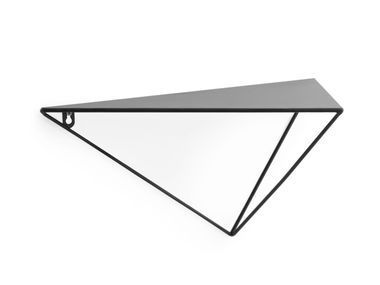
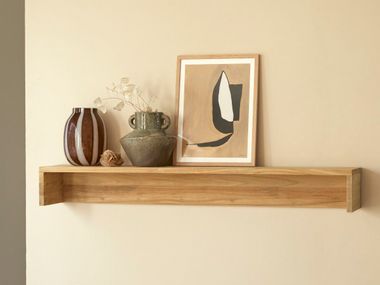
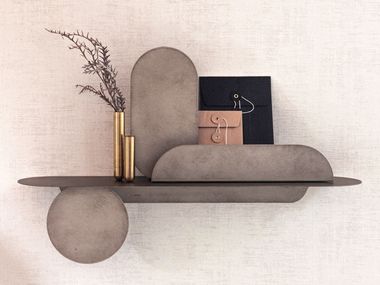
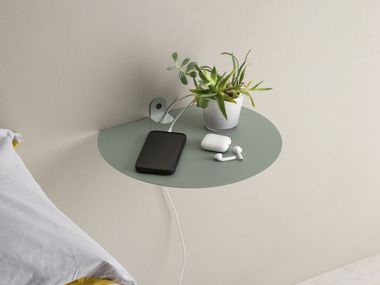
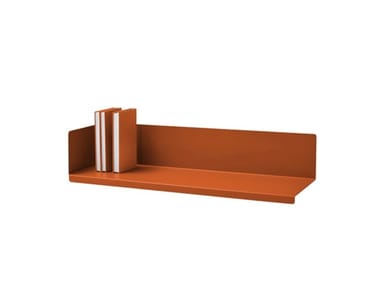
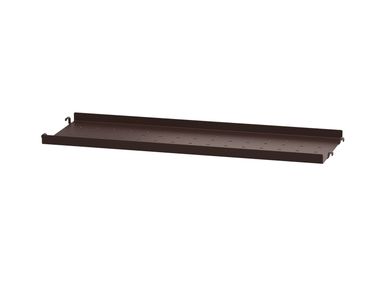
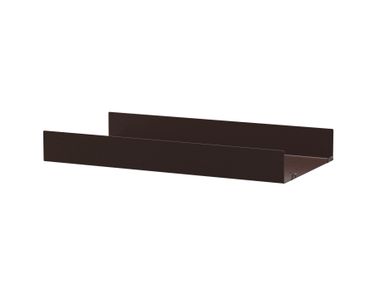
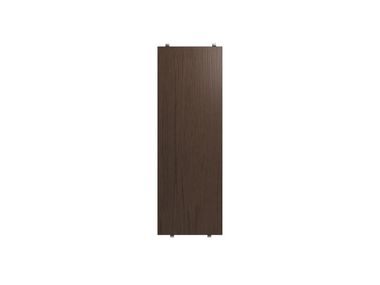
Shelves can be made from materials suited to specific aesthetic and functional needs. Wooden shelves are ideal for warm, welcoming interiors, while metal shelves—available in satin or matte finishes—complement industrial or contemporary spaces. Glass shelves are best suited for modern, minimalist interiors, where transparency contributes to visual lightness and enhances brightness. To ensure stability and safety, material choice should align with the expected load. Solid wood and metal are ideal for heavier weights, while composite materials suffice for lighter decorative objects like plants or accessories. Corner shelves are a smart solution for optimizing unused corners, often neglected in traditional furnishing schemes. Especially useful in compact spaces like kitchens or bathrooms, corner shelves can be installed at varying heights for accessibility and to create a visual flow along the wall. Freestanding corner models offer greater stability and can be custom-designed to integrate with other furniture elements.
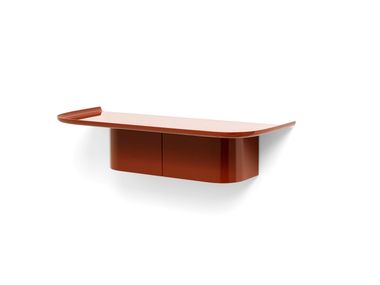
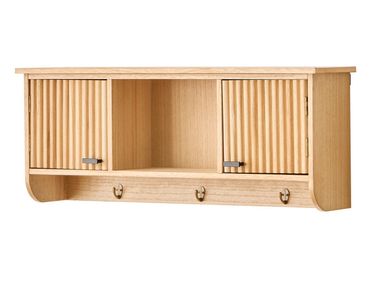
There are several mounting systems for shelves, each with specific technical and functional features. Wall-mounted shelves with visible supports are easy to install and distribute weight evenly. Available in modular configurations, this type of installation offers design flexibility, allowing repositioning even after initial setup. Floating shelves with concealed supports are fixed directly to the wall using special pins or hidden brackets, creating a clean, contemporary look. This mounting system is ideal for modern spaces where visual lightness is a priority. However, as it requires a load-bearing wall, it is crucial to check wall compatibility. For optimal layout, it's advisable to start with a design plan that aligns shelf positioning with both function and overall aesthetics. In professional settings like studios or offices, installing parallel shelves at various heights can improve accessibility to materials. In living areas, an asymmetrical or staggered layout adds visual rhythm and creates a focal point in the room.